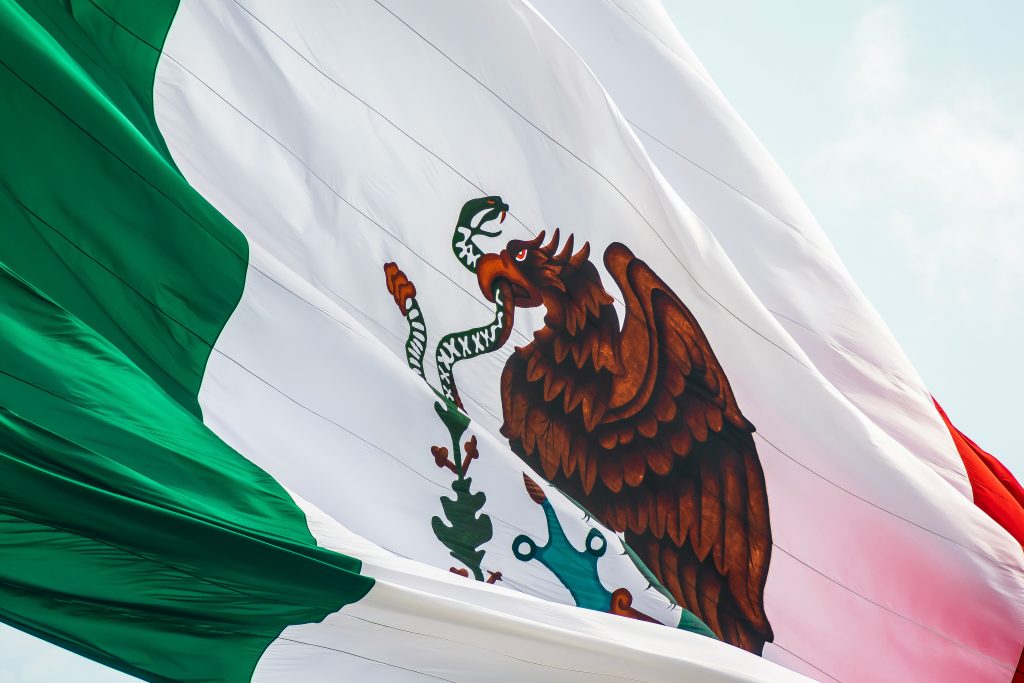

On January 17, 2026, in Asunción, the European Union and Mercosur signed a landmark trade agreement involving Argentina, Brazil, Paraguay, and Uruguay, along with Associated States such as Chile, Colombia, and the recently incorporated Panama. The agreement creates a market of 800 million people, representing nearly a quarter of global wealth.
In practical terms, the treaty will gradually eliminate tariffs on 90% of bilateral trade. In addition, Mercosur’s agricultural sector is expected to gain preferential access to the European market, while safeguard clauses included in the agreement aim to protect market stability. The deal also stands as a geopolitical statement in favor of global cooperation and long-term prosperity.
Although the agreement will only take full effect once ratified by each participating country, nations such as Brazil are already preparing to begin its implementation during the second half of 2026.
From a global mobility perspective, the agreement opens new opportunities for the movement of international talent among member countries. Under this new framework, the treaty could facilitate intra-company transfers of specialized personnel across participating countries, allowing businesses to relocate executives and key specialists with fewer administrative obstacles than those that currently delay projects for months.
One of the main questions emerging from the current regional landscape concerns Venezuela’s role under this new political scenario. A potential return of Venezuela to Mercosur, subject to the institutional normalization required by the bloc, could position the country as one of the agreement’s main energy suppliers.
For the European Union, this would represent an opportunity to diversify its energy supply under sustainability standards. In this context, European investment would not only focus on oil extraction, but also on modernizing Venezuelan infrastructure in line with European environmental and social standards, potentially becoming a model for energy transition supported by international agreements.
Need personalized guidance?
Our international mobility experts can support you with immigration, relocation and global compliance processes.
Contact an expert